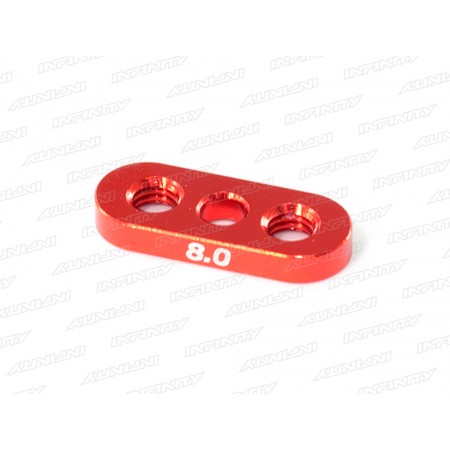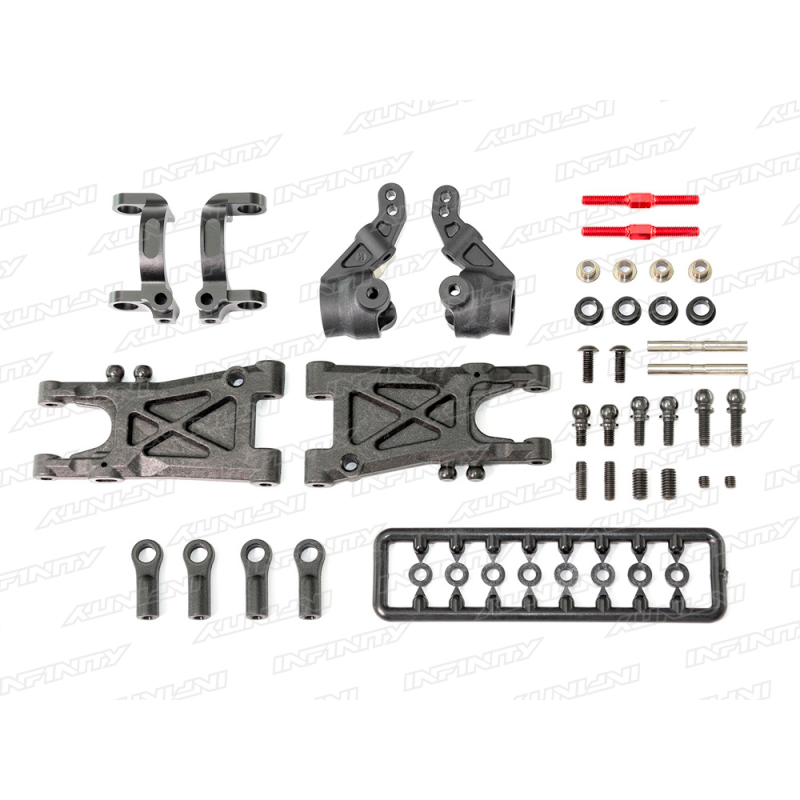
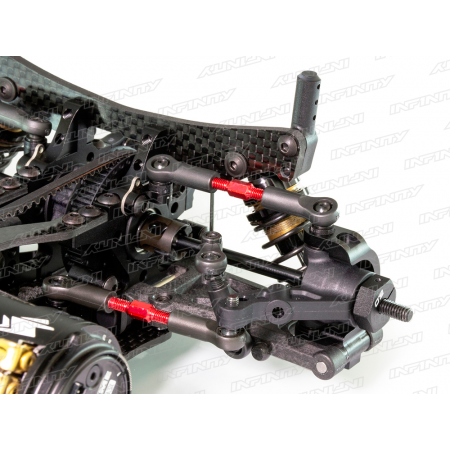
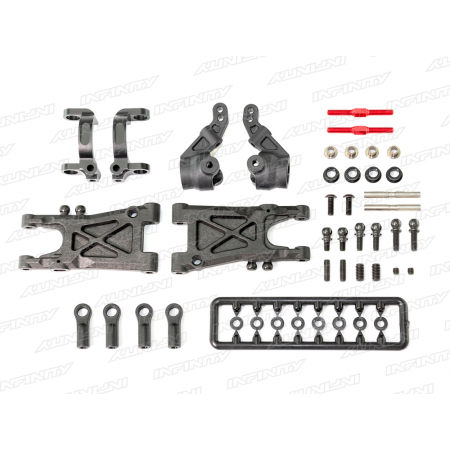
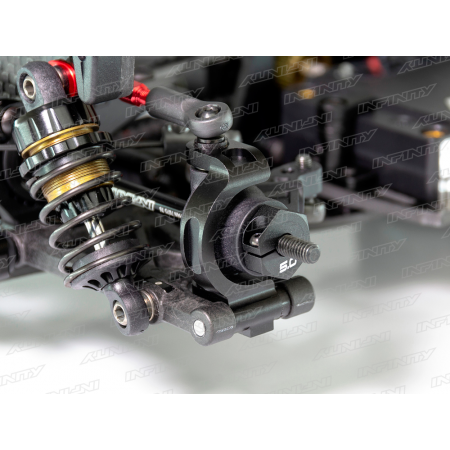

The advanced "PRS system" is designed to deliver faster cornering speeds for the IF14-2. This system allows for the rear toe angle to be controlled passively as a result of the rear suspension arm stroke. The cornering characteristics can be fine-tuned by adjusting the mounting angle of the linkage rod.
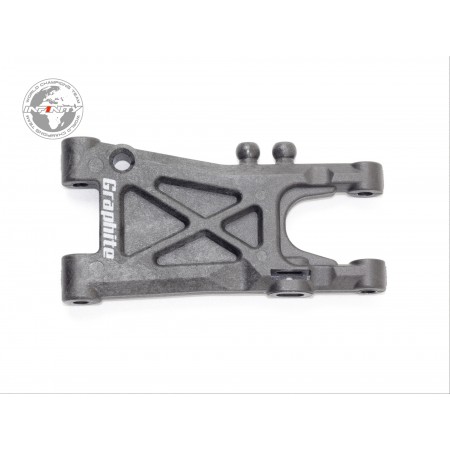
An extra hard lower suspension arm using a graphite material. This arm is more stiff than the original kit version and is suitable for high grip tracks and in situations when you want to improve initial steering response.
Alignment tool to accurately assemble the IF14-2 lower bulkhead, upper bulkhead and shock tower.
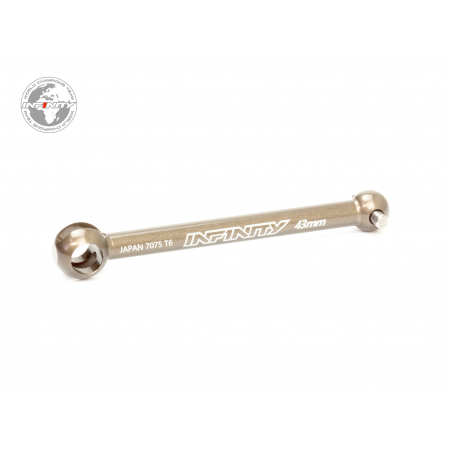
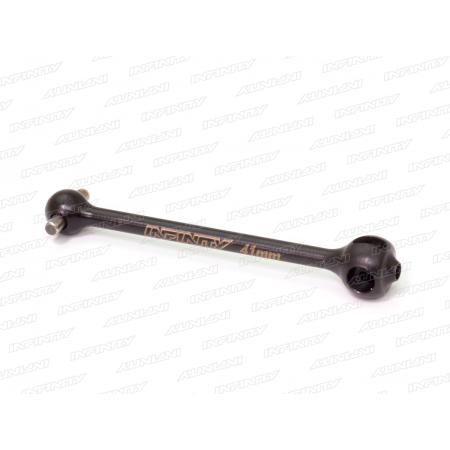
Short type (41mm) front drive shaft rather than the kit standard front drive shaft (42mm).
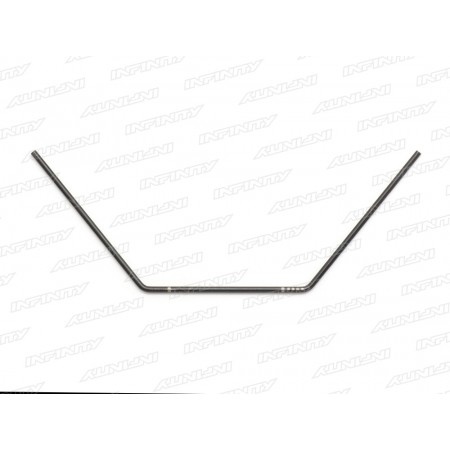
Offers a linear steering feel, making the car easier to drive when used in high traction or oversteer situations.
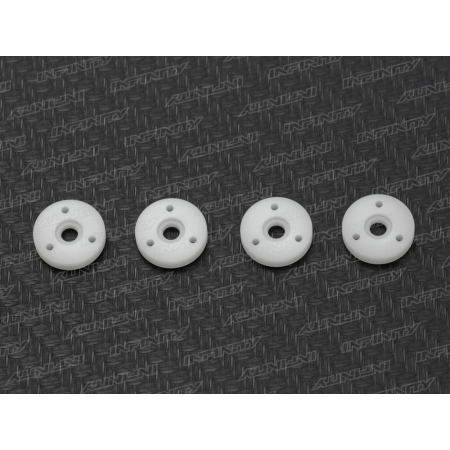
Precision machined pistons for USP shocks, 1.1mm x 3 holes.
This Piston outer diameter is the same as the kit standard piston (T208).
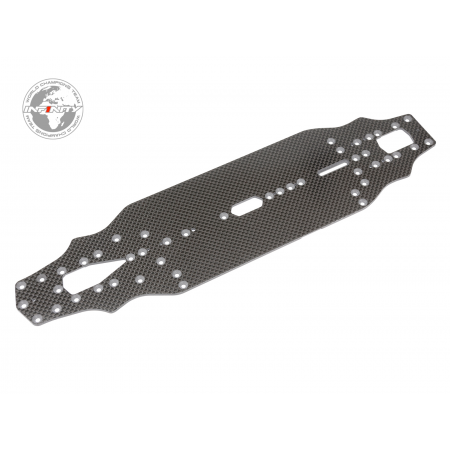
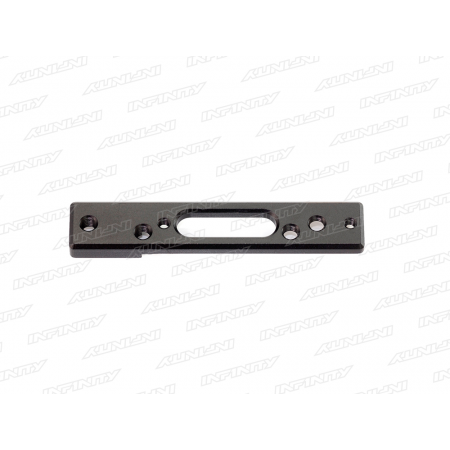
Spare part for floating electronic plate set. The plate can also function as a center chassis stiffener by adding one more screw to the chassis.
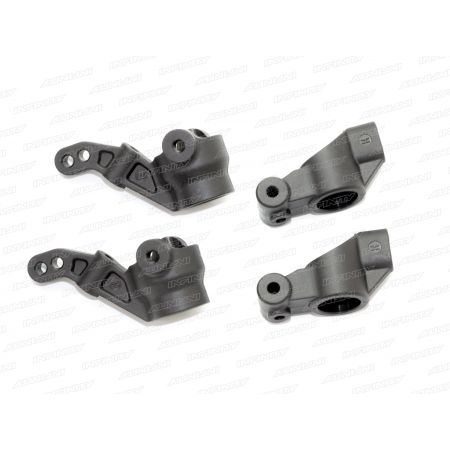
One car set of steering block and rear uprights (hard) for IF14-2 and IF14-2FWD.
This set is convenient for when you want to replace these items together for maintenance. It is also more economical than purchasing each item individually.
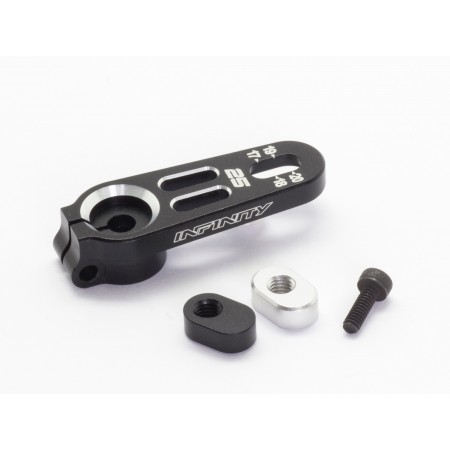
Adjustable the range of servo horn four stages at 17, 18, 19, 20mm. Since leverage can be set fixed, the setting is possible in a quantitiative way.
Exquisitely machined from High-intensity alloy aluminum. Can fit to other chassis than IF14. (25 spline)
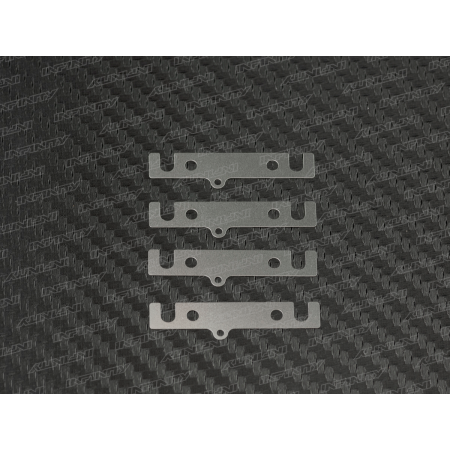
This spacer sits between the lower suspension block and the chassis to adjust the roll center. With a thickness of 0.2mm it's possible to achieve fine detailed setup.
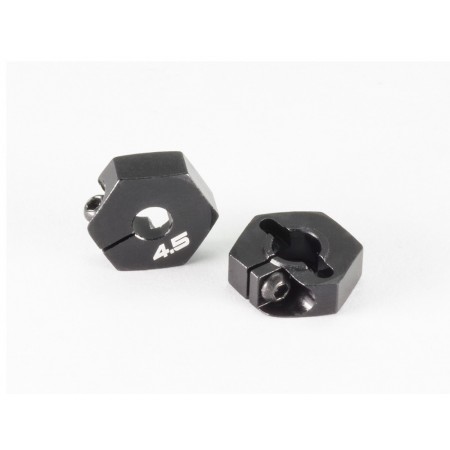
0.5mm thinner than kit normal(5mm). Usefull to make the width narrow.
The advanced "PRS system" is designed to deliver faster cornering speeds for the IF14-2. This system allows for the rear toe angle to be controlled passively as a result of the rear suspension arm stroke. The cornering characteristics can be fine-tuned by adjusting the mounting angle of the linkage rod.